

 |
 | ||||
|  | | ||
| ||||
 | ||||
|  | | ||
| ||||
 | ||||
|  | | ||
| ||||
| ||||
| | | ||
| ||||
| ||||
|  | | ||
| ||||
 | ||||
|  | | ||
| ||||


Facts about the month of February

Gone-ta-pott.com
Gone-ta-pott.com
A place to discover Holidays
you didn't know existed!
 |  | |||||
| |  | ||||
| |  | | |||
| | | ||||
| | |||||
| ||||||
| | |||||


|
| | |||||
| | | ||||
| | | | |||
| | | ||||
| | |||||
| ||||||
| | |||||
Amazon Cookbooks

Photo Loading:


Follow on Twitter
Find on Facebook
Our Pinterest
Our Blog
 | ||||
|  | | ||
| ||||
Send Free Greeting
- - - - - - - - - - - - - - - - - - - - - - - - - - - - - - - - - - - - - - - - - - - - - - - - - - - - - - - - - - - - - - - - - - - - - - - - - - - - - - - - - - - - - - - - - - - - - - - - - - - - - - - - - - - - - - - - -
..........................................................................................................................................................................................................................................
| ||||
| | | ||
| ||||
Traditional
Holiday Foods

|
|
|
|
|
|
| ||||
| | | ||
| ||||
 | ||||
|  | | ||
| ||||
Harvest Festival
 | ||||
| | | ||
| ||||
|
|
 | ||||
| | | ||
| ||||


| ||||
| | | ||
| ||||
| ||||
| | | ||
| ||||
| ||||
| | | ||
| ||||


| ||||
| | | ||
| ||||
List of Social Events
List of Autumn Foods


|
...............................................................................................................................................................................
► February articles coming soon
► February recipes coming soon
► Flower
►


| ||||
| | | ||
| ||||
| ||||
|  | | ||
| ||||



February - fɛbjuːˌɛri/ or /ˈfɛbruːˌɛri/ FEB-ew-ERR-ee or FEB-roo-ERR-ee) is the second month of the year in the Julian and Gregorian calendars. It is the shortest month and the only month with fewer than 30 days; the month has 28 days in common years or 29 days in leap years.
...................................................................................................................................
Inside this Article:
1. You are reading "Facts about February"
3. Leap Day: Feb. 29 (Every 4 yrs, with some exceptions)
...................................................................................................................................


February is the third month of winter in the Northern Hemisphere. In the Southern Hemisphere, February is the seasonal equivalent of August in the Northern Hemisphere (which is the third month of summer).
February starts on the same day of the week as March and November in common years, and on the same day of the week as August in leap years. February ends on the same day of the week as October every year and on the same day of the week as January in common years only. In leap years, it is the only month that ends on the same weekday it begins.
History
The Roman month Februarius was named after the Latin term februum, which means purification, via the purification ritual Februa held on February 15 (full moon) in the old lunar Roman calendar. January and February were the last two months to be added to the Roman calendar, since the Romans originally considered winter a monthless period. They were added by Numa Pompilius about 713 BC. February remained the last month of the calendar year until the time of the decemvirs (c. 450 BC), when it became the second month. At certain intervals February was truncated to 23 or 24 days; and a 27-day intercalary month, Intercalaris, was inserted immediately after February to realign the year with the seasons.
Under the reforms that instituted the Julian calendar, Intercalaris was abolished, leap years occurred regularly every fourth year, and in leap years February gained a 29th day. Thereafter, it remained the second month of the calendar year, meaning the order that months are displayed (January, February, March, ..., December) within a year-at-a-glance calendar. Even during the Middle Ages, when the numbered Anno Domini year began on March 25 or December 25, the second month was February whenever all twelve months were displayed in order. The Gregorian calendar reforms made slight changes to the system for determining which years were leap years and thus contained a 29-day February.
Historical names for February include the Old English terms Solmonath (mud month) and Kale-monath (named for cabbage) as well as Charlemagne's designation Hornung. In Finnish, the month is called helmikuu, meaning "month of the pearl"; when snow melts on tree branches, it forms droplets, and as these freeze again, they are like pearls of ice. In Polish and Ukrainian, respectively, the month is called luty or лютий, meaning the month of ice or hard frost. In Macedonian the month is "сечко", meaning month of cutting [wood]. In Czech, it's called únor, meaning month of submerging [of river ice].
In Slovene, February is traditionally called svečan, related to icicles or the Candlemas. This name originates from sičan, written as svičan in the New Carniolan Almanac from 1775 and changed to its final form by Franc Metelko in his New Almanac from 1824. The name was also spelled sečan, meaning "the month of cutting down of trees". In 1848, a proposal was put forward in Kmetijske in rokodelske novice by the Slovene Society of Ljubljana to call this month talnik (related to ice melting), but it has not stuck. The idea was proposed by the priest and patriot Blaž Potočnik. A name of February in Slovene was also vesnar, after the mythological character Vesna.
Pronunciation
Many people pronounce the 'ru' of "February" ew rather than /ruː/ roo, as if it were spelled "Feb-u-ary". This comes about by analogy with "January" (which ends in "-uary" but not "-ruary"); as well as by a dissimilation effect whereby having two "r"s close to each other causes one to change for ease of pronunciation. The Scots language names for the month are Feberwary and Februar, the latter usually pronounced with a long "ay" in the first syllable.
Patterns
February starts on the same day of the week as both March and November in common years, and August in leap years.
Having only 28 days in common years, it is the only month of the year that can pass without a single full moon. It is also the only month of the calendar that once every six years and twice every 11 years, will have only four full 7-day weeks. In countries that start their week on a Monday, it occurs as part of a common year starting on Friday, when February 1st is a Monday and the 28th is a Sunday, this was observed in 2010 and can be traced back 11 years to 1999, 6 years back to 1993, 11 years back to 1982, 11 years back to 1971 and 6 years back to 1965; and so on twice 11 years consecutively and once six years either forward into the future or back into the past. In countries that have the week start on a Sunday, it occurs with a common year starting on Thursday, with the next occurrence in 2015, and previous occurrences in 2009 (6 years earlier than 2015), 1998 (11 years earlier than 1998, and 1987 (11 years earlier than 1998). This works unless the pattern is broken by a skipped leap year, but no leap year has been skipped since 1900 and no others will be skipped until 2100. (Years that are evenly divisible by 100 are not leap years, unless they are also evenly divisible by 400, in which case they are leap years.) For any system, it cannot happen in a leap year.
- - - - - - - - - - - - - - - - - - - - - - - - - - - - - - - - - - - - - - - - - - - - - - - - - - - - - - - - - - - - - - - - - - - - - - - - - - - - - - - - - - - - - - - - - - - - - - - - - - - - - - - - - - -
Events in February (see February Calendar for more)
- Black History Month (United States and Canada)
- LGBT History Month (United Kingdom)
- Parent Leadership Month
- Super Bowl Sunday: Every first Sunday of February
- Abolition of Slavery in Mauritius:February 1
- St Brigid’s Day / Imbolc: February 1, Ireland
- Anniversary of Hama massacre, which occurred from February 2 to February 28, 1982.
- Groundhog Day: February 2, United States and Canada
- Candlemas: February 2
- Independence of Sri Lanka: February 4
- 1917 Constitution of Mexico: February 5
- Waitangi Day in New Zealand: February 6
- Slovenian Cultural Holiday: February 8
- Mike Day internationally recognized focal point of month-long celebration Mikefest: February 8
- World Marriage Day: Every second Sunday of February
- National Foundation Day in Japan: February 11
- Abraham Lincoln's birthday: February 12, United States
- Valentine's Day: February 14
- Saint Valentine's Day Massacre: An infamous mafia attack. February 14
- Serbia's National Day : February 15
- Flag Day of Canada: February 15
- Presidents Day (United States, third Monday)
- International Mother Language Day: February 21
- Month of Language : For the Bangladeshis
- Independence Day in Saint Lucia: February 22
- George Washington's birthday: February 22, United States (often coincides with President's Day,
- Flag Day of Mexico: February 24
- Independence Day in Estonia: February 24
- People Power Revolution (Philippines) February 25
- Liberation Day (Kuwait) February 26
- Dominican Republic Independence: February 27
- Leap Day: February 29 (Every four years, with some exceptions)
- National Day of the Sun (in Argentina)
- National Wear Red Day (in the US and the UK)
- Family Day (Canada) (on the third Monday in the provinces of Alberta, Manitoba, Ontario, Prince Edward Island, and Saskatchewan)
- - - - - - - - - - - - - - - - - - - - - - - - - - - - - - - - - - - - - - - - - - - - - - - - - - - - - - - - - - - - - - - - - - - - - - - - - - - - - - - - - - - - - - - - - - - - - - - - - - - - - - - - - - -
February symbols
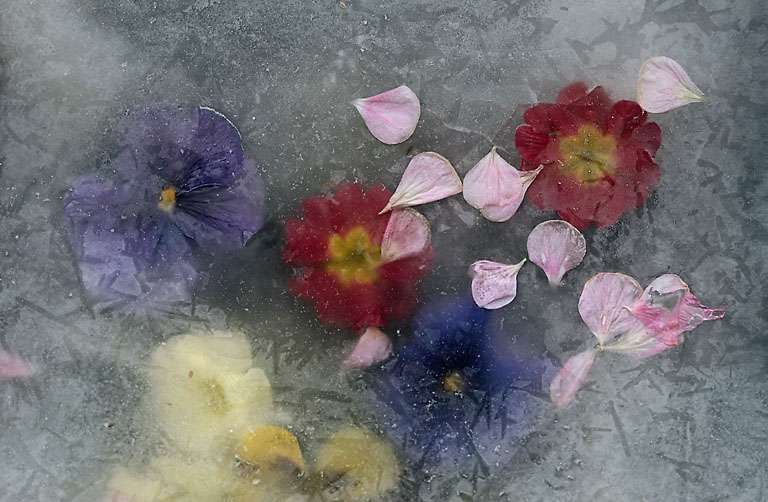
- Its "birth flower" is the violet (Viola (plant)) and the common primrose (Primula vulgaris).
- See "Birthday Flowers" for each individual day of February.
- Its birthstone is the amethyst. It symbolizes piety, humility, spiritual wisdom, and sincerity.
- - - - - - - - - - - - - - - - - - - - - - - - - - - - - - - - - - - - - - - - - - - - - - - - - - - - - - - - - - - - - - - - - - - - - - - - - - - - - - - - - - - - - - - - - - - - - - - - - - - - - - - - - -
See also
- February 29
- February 30
- February 31
- List of historical anniversaries
- - - - - - - - - - - - - - - - - - - - - - - - - - - - - - - - - - - - - - - - - - - - - - - - - - - - - - - - - - - - - - - - - - - - - - - - - - - - - - - - - - - - - - - - - - - - - - - - - - - - - - - - - -
| ||||
| | | ||
| ||||
Food Holidays
| ||||
| | | ||
| ||||
| ||||
| | | ||
| ||||
Party Planning
| ||||
| | | ||
| ||||
| ||||
| | | ||
| ||||
| ||||
| | | ||
| ||||
| ||||
| | | ||
| ||||
| ||||
| | | ||
| ||||
| ||||
| | | ||
| ||||
| ||||
| | | ||
| ||||
| ||||
| | | ||
| ||||
| ||||
| | | ||
| ||||
Winter Festivals
Birth Flowers
Mardi Gras
Winter
Holiday Food
|
Types Of Parties
| ||||
| | | ||
| ||||
| ||||
| | | ||
| ||||

Seasonal Food
Movable Feast


Feb: Cat Health Month
Breakfast


How-To-Articles
Valentine's Day


| ||||
| | | ||
| ||||
 | ||||
| | | ||
| ||||
Wear Red Day
Super Bowl Sunday
Tailgating Parties
Bird Feeding Parties
Top February Parties
Shrove Monday
Buffalo Wings / Chicken
|




| ||||
| | | ||
| ||||
Bird Feeding Party
